Why Does My Beer Taste Like a Freshly Mown Lawn?
Have you ever taken a sip of Los Angeles craft beer and noticed a distinctly green, grassy beer flavor? This happens when local makers use specific hop varieties late in the boil, infusing the liquid with natural oils that taste like a freshly cut backyard lawn.
TL;DR
Certain hop varieties naturally impart a green, grassy taste to your glass.
Late additions of specific cones emphasize these fresh backyard notes.
Dry hopping techniques pull out strong herbal and earthy characteristics.
Keeping your cans cold ensures these delicate organic compounds stay fresh.
Understanding the science behind grassy beer flavor
When you crack open a cold can on a sunny Los Angeles afternoon, you expect a refreshing experience. Sometimes, that first sip delivers an unexpected burst of green vegetation. This specific beer flavor comes entirely from the hops. Hops are the cone-shaped flowers of the Humulus lupulus plant. They provide the necessary balance to the sweet grain used during the production process.
Different varieties of these flowers contain different essential oils. Myrcene is one of the most prominent oils found in these cones. It is highly volatile and has a distinctly green character. When makers add these flowers into the boiling water for too long, the delicate oils evaporate. To keep that fresh-cut lawn taste intact, they add them at the very end of the boil or during fermentation. This technique traps the volatile compounds right in the liquid. If you want to learn more about how essential oils shape what you drink, check out the resources at CraftBeer.com (https://www.craftbeer.com/).
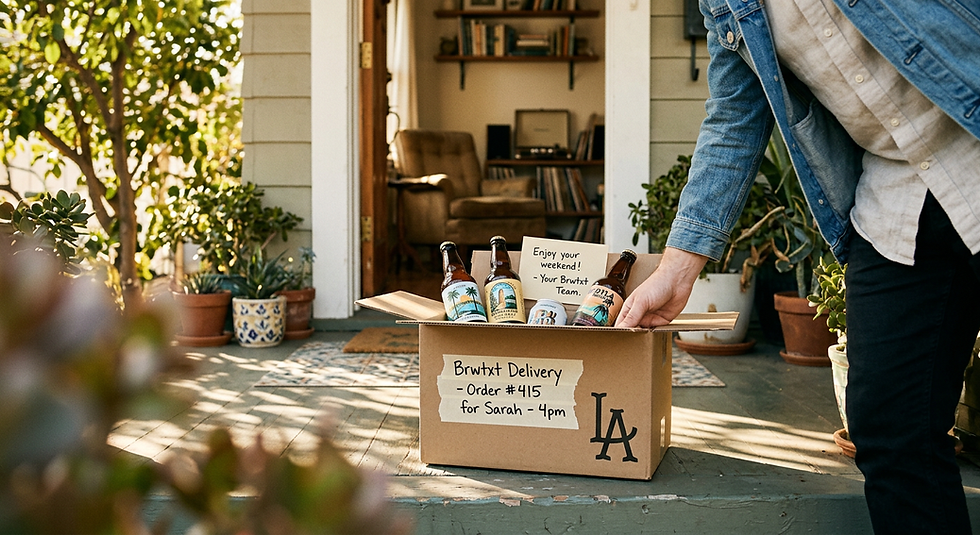
Getting these cans delivered straight to your door in LA means you get to experience these volatile oils at their absolute peak. Keep in mind that all deliveries require you to be 21 or older and have a valid ID to receive your order. Enjoying your drinks responsibly is the best way to explore new tastes.
The delicate balance of flavor hops and aroma hops
Not all hops do the same job. Early additions to the kettle are primarily intended to reduce bitterness. Later additions are split into flavor hops and aroma hops. When a recipe calls for a heavy dose of late additions, the liquid takes on an intense green hue. Some hop varieties like Fuggle or Saaz naturally lean toward an earthy, grassy profile. Modern American varieties can also produce a grassy taste when used in large quantities during the dry-hopping phase.
Dry hopping involves steeping the flowers in cold liquid after fermentation is complete. This method extracts pure aroma without extracting any bitterness. If the flowers sit in the tank for too long, they can start to impart a vegetal taste that reminds you of chewing on a plant stem. Some people absolutely love this fresh, earthy bite. It pairs perfectly with a warm evening sitting on a Los Angeles patio.
Exploring bitter, piney, and herbal profiles in LA County craft beer
The local beverage scene is famous for pushing boundaries. When you order LA County craft beer, you will likely encounter a massive spectrum of hop profiles. Some options lean heavily into bitter characteristics that strip the sweetness off your tongue. Others showcase piney notes that smell exactly like a hike through the Angeles National Forest.
When you blend piney notes with grassy tones, you get a deeply herbal experience. This combination is highly sought after by enthusiasts who want a complex, savory drinking experience rather than a sweet or fruity one. The local makers excel at balancing these aggressive green notes with a solid malt backbone. This creates a drinkable, refreshing beverage that still packs a massive aromatic punch.
Why some styles taste resiny or dank
Beyond the grass and the pine, you might encounter drinks described as resiny or dank. These terms describe a heavy, sticky, almost pungent aroma that fills the room as soon as you open the can. Resiny characteristics come from high levels of specific alpha acids and oils that coat your palate. Dank notes share aromatic compounds with other well-known green plants, creating a deeply earthy and robust scent.
These bold profiles are very popular across Southern California. They require extremely fresh ingredients and meticulous temperature control. Heat is the enemy of fresh hop oils. If a can sits in a warm delivery truck or on a hot grocery store shelf, those beautiful grassy and dank notes fade into a dull, papery mess. That is exactly why fast, temperature-controlled delivery is so important for preserving the intended taste.
FAQ: Los Angeles craft beer questions
How long do hoppy drinks stay fresh in the fridge? **
You should consume heavily hopped styles within thirty to sixty days of packaging. Keeping them constantly refrigerated preserves the delicate oils.
Why do some cans taste more bitter than others?
Bitterness comes from boiling hops early in the production process. The longer they boil, the more bitterness they impart to the liquid.
Can I request specific flavor profiles for my delivery? **
Yes, you can easily discover new favorites based on your personal taste preferences. The Brwtxt platform helps match you with local options you will love.
What is the best glassware for aromatic styles?
A tulip glass or a specialized IPA glass helps concentrate the aromas near your nose. This significantly enhances the overall tasting experience.
Do grassy notes mean the product has gone bad?
Not at all. Grassy and herbal notes are intentional characteristics derived from specific flower varieties and dry hopping techniques.
Sign up for Brwtxt (https://brwtxt.com/), and your fridge will fill itself.


Comments